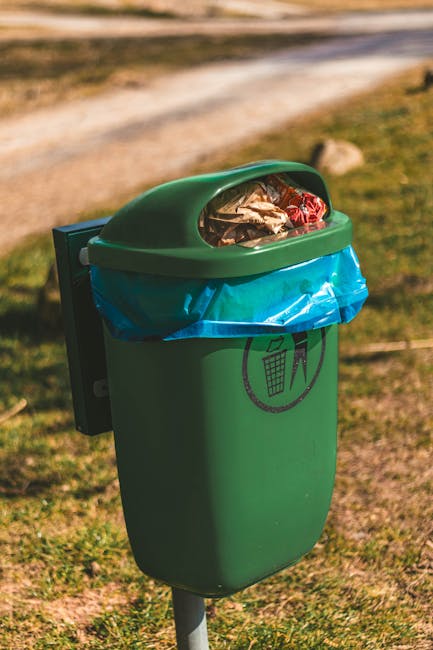
Haringey Council green waste rules Stroud Green gardeners must know
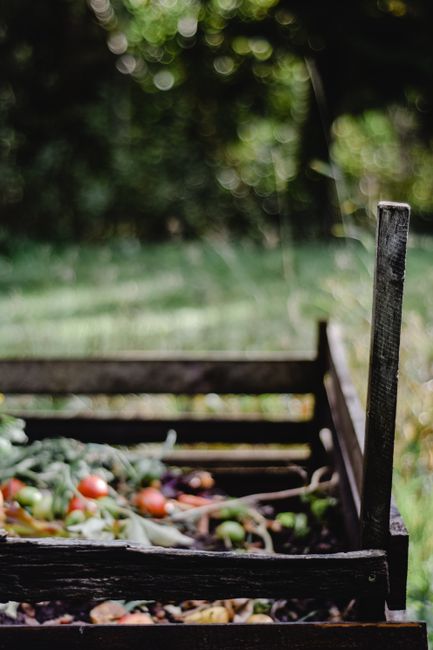
If you garden in Stroud Green, green waste is one of those everyday jobs that seems simple until it suddenly isn't. One week it's a few hedge cuttings and lawn clippings; the next it's a heap of prunings, leaves, and soil-covered stems that needs sorting properly. Understanding Haringey Council green waste rules Stroud Green gardeners must know saves time, avoids missed collections, and keeps your garden work tidy and compliant. It also makes the whole process calmer, to be fair. No one wants to drag a sack back across the path because it was packed wrong or put out at the wrong time.
This guide breaks down what green waste is, how it is usually handled, what gardeners in Stroud Green should check before putting anything out, and how to reduce waste at the source. You'll also find practical steps, a comparison table, a checklist, and a few real-world tips that make the whole thing less fiddly. If you want to keep garden maintenance smooth while staying on the right side of local collection expectations, this is the place to start.
Why Haringey Council green waste rules Stroud Green gardeners must know matters
Green waste rules matter because garden waste is not all treated the same way. Fresh grass cuttings, hedge trimmings, leaves, and small prunings are usually part of the organic waste stream, while mixed rubbish, invasive material, and larger woody debris can fall into different handling categories. That distinction sounds dry, but in practice it changes everything: how you sort the waste, what container it goes in, whether a collection will accept it, and whether you need another disposal route.
For Stroud Green gardeners, there's also a neighbourhood reality to think about. Front gardens are often compact, access is limited, and the back route to the collection point can be awkward. If waste is overfilled, badly bagged, or mixed with the wrong material, it becomes harder for crews to collect quickly and safely. And because garden work often happens in bursts after a trim, a storm, or a seasonal tidy-up, it's easy to create more waste than expected. That's where rules become useful, not restrictive.
There's a broader benefit too. Properly separated green waste can be processed into compost or other useful organic material instead of being treated like general rubbish. That supports better resource use and, in a very ordinary but real way, reduces the mess your household sends into the system. If you care about low-maintenance gardening and cleaner routines, this topic matters more than people sometimes assume. Using garden waste for soil enrichment is a good reminder that one person's prunings can become another season's mulch.
Expert summary: The main thing Stroud Green gardeners need to know is not just what counts as green waste, but how Haringey expects it to be prepared, separated, and presented for collection. Get that right, and garden clearance becomes a lot less annoying.
How Haringey Council green waste rules Stroud Green gardeners must know works
Let's keep this plain. Green waste rules usually revolve around four practical questions: what counts, what does not, how it should be contained, and when it can be collected. The exact details can change over time, so the safest approach is to follow the current council guidance if you are arranging a collection or using a paid garden waste service. That may sound obvious, but you'd be surprised how often people rely on old habits. Garden routines stick. Rules, not always.
What usually counts as green waste
- Grass cuttings
- Leaves and small twigs
- Hedge clippings
- Plant trimmings
- Dead flowers and bedding plants
- Small amounts of soil attached to roots or plants, where accepted
These materials are typically organic and can often be composted or processed separately. If you're doing a seasonal tidy and you've been inspired by ground cover planting ideas for a balanced garden, you may find you produce more clippings than usual. That's normal. It just means sorting matters more.
What usually does not belong in green waste
- Plastic plant pots and packaging
- Metals, broken tools, or wire
- General household rubbish
- Food waste unless specifically permitted
- Large branches or tree sections if they exceed collection rules
- Contaminated materials, such as soil mixed with rubble or treated timber
The biggest mistake is mixing garden waste with general waste. Once that happens, the whole load may be rejected, delayed, or sent to the wrong processing route. It's a nuisance for everyone. If you've ever tried to disentangle twine from wet ivy on a cold afternoon, you'll know exactly the sort of hassle we mean.
How it is usually presented for collection
Most councils expect green waste to be presented in an approved container, bag, or bin, and to be placed out at the right time on the right day. Overfilled containers can be refused. Loose piles may also be rejected if they are not allowed under the current arrangement. In practical terms, this means gardeners should plan their work around the collection schedule rather than treating it like a last-minute tip run.
For larger jobs, such as hedge reductions or seasonal clear-outs, it helps to split the work into stages. A tidy back garden in Stroud Green after a hedge cut can generate more waste than people expect, especially when the trimmings are leafy and springy. If hedge shaping is part of the job, these hedge trimming ideas can help you plan cuts more efficiently and reduce bulky offcuts.
Key benefits and practical advantages
Following green waste rules is not just about avoiding trouble. It gives you a cleaner workflow and a much neater garden. Here's what you gain in real terms.
- Fewer rejected collections: Sorted waste is easier to collect and less likely to be left behind.
- Better garden organisation: You see what you've removed, what still needs attention, and what can be composted.
- Lower disposal stress: Clear rules mean fewer "Where do I put this?" moments on a busy Saturday.
- More sustainable gardening: Organic waste is more likely to be recovered properly.
- Safer working conditions: Cleaner separation reduces hidden hazards like wire, glass, or sharp debris.
There's also a practical money angle, even if it's indirect. Better sorting can reduce the need for extra removals, extra bags, or repeat handling. For people on a tight schedule, that is a real win. If you're trying to keep a garden low-maintenance, you may also want to read about budget-friendly low-maintenance gardening ideas because the best waste strategy is often the one that starts before the cuttings pile up.
And yes, there's a visual benefit too. A garden looks calmer when waste is moved out in one clean, planned process. Not glamorous, granted, but deeply satisfying.
Who this is for and when it makes sense
This topic is relevant to a few different people in Stroud Green, and the details matter slightly differently for each one.
Home gardeners
If you mow a small lawn, trim hedges, rake leaves, or deadhead borders, your green waste may be modest in volume but frequent. You need a simple routine that fits local collection timing and avoids clogging bins with mixed material.
Busy households with weekend gardening bursts
Many people do garden work in short windows: a little on Friday evening, more on Sunday morning, then a proper tidy in spring. That pattern often creates awkward half-filled bags and "temporary" piles that linger too long. If that sounds familiar, the council rules matter because they give you a structure.
Landlords and managing agents
If a front or rear garden is part of a rental property, waste handling needs to be consistent. Tenants may not know the collection arrangement, and the result is often mixed bins or sacks left in the wrong place. A simple written routine helps a lot.
Gardeners doing larger cuts or seasonal clear-outs
After a substantial hedge trim, tree prune, or border overhaul, waste volume jumps. In that case, the question becomes whether your usual collection method is enough or whether you need a better disposal plan. If you are working on larger structural changes, landscaping support can be useful, especially when a project produces more material than a standard bin can handle.
Pet owners and family gardens
If your garden needs to stay safe for children or dogs, you may be clearing broken branches, leaf piles, or worn planting. That waste should be managed promptly so it doesn't become a trip hazard or get spread around the lawn. For more on balancing garden use with everyday life, this guide to dog-friendly gardens is worth a look.
Step-by-step guidance
If you want a straightforward system, use this. It keeps things tidy and avoids the classic "I'll sort it later" trap. Later is where trouble lives.
- Identify the waste as you cut. Separate organic plant matter from plastics, strings, labels, canes, and general rubbish right away.
- Keep woody material in check. Small prunings are usually manageable, but thicker branches or large stump sections may need different handling.
- Remove contamination early. Strip out stones, soil clods, and non-organic bits before they end up in a green waste bag.
- Use the right container. Follow the accepted bin, bag, or bundle method for your collection setup.
- Do not overfill. Overpacked containers are awkward to move and may be rejected.
- Place waste out correctly. Put it where it is expected, and only at the appropriate time.
- Break big jobs into loads. If you are pruning a hedge or doing a border clear-out, stage the work over two sessions if needed.
- Reuse what you can. Soft green clippings, shredded leaves, and healthy plant matter may be compostable or suitable for mulching.
That last step is the one many gardeners skip, though it can make a huge difference. A light layer of shredded leaves can improve soil texture; a pile of awkward mixed waste, not so much. If you want to get more from your garden clippings, the article on how gardens support climate-friendly living offers a broader view of why reducing waste matters.
Practical rule of thumb: if the material looks like healthy plant matter and nothing else is mixed in, it is easier to manage. If it looks like a jumble of plastic ties, soil, and woody offcuts, slow down and sort it properly.
Expert tips for better results
Here's the bit that saves time in the long run.
- Prune with disposal in mind. If you are cutting hedges or shrubs, work in manageable sections so the waste does not overwhelm you.
- Dry leaves before bagging where possible. Wet leaves compress heavily and become awkward to move.
- Use a tarp for large clear-ups. Dragging waste on a tarp across a patio is easier than ferrying armfuls back and forth. Far less faff.
- Compost the soft stuff. Grass clippings and non-diseased leaves are often ideal for composting.
- Keep diseased material separate. If a plant looks infected, don't casually mix it into the rest of the pile.
- Check collection timing before you start. That way, you're not creating a mound that has nowhere to go for a week.
If your schedule is tight, think in terms of garden rhythm rather than one-off clearance. A little routine pruning, regular lawn care, and a proper seasonal tidy will usually produce less waste overall than one big panic cut. That's where services like regular garden maintenance can make a real difference.
And one more thing: don't assume every branch is "green waste" just because it came from a plant. Once materials are mixed, wet, or contaminated, the handling changes. A little caution saves a lot of frustration. Truth be told, most collection issues start with something tiny like a piece of wire.
Common mistakes to avoid
Most problems are boringly preventable. That's actually good news. Here are the mistakes we see most often.
- Mixing rubbish into garden waste: Labels, pots, and packaging are the usual culprits.
- Putting out waste too early: Bags left out for days become messy, attract attention, and can block pavements.
- Overfilling containers: If it looks like a bursting pillow, it's too full.
- Ignoring bulky material rules: Thick branches are not the same as lawn cuttings.
- Leaving soil and rubble in the mix: Even a bit of hardcore changes the load.
- Assuming old rules still apply: Council arrangements can change, so always check the current guidance.
- Forgetting about weather: Wet sacks are heavier, slippier, and more likely to tear.
A very common one in Stroud Green is a quick hedge cut followed by a "we'll sort the bags tomorrow" pause. Then it rains. Then the bags collapse. Then everything becomes twice as annoying. A classic little London gardening drama, really.
Tools, resources and recommendations
You do not need a shed full of fancy kit, but a few basic tools make waste handling cleaner and safer.
| Tool or resource | Why it helps | Best use |
|---|---|---|
| Garden sacks or approved bins | Keep waste contained and easy to move | Weekly clippings, leaves, and smaller prunings |
| Tarpaulin | Makes transporting bulk waste much easier | Hedge trimmings and border clear-outs |
| Secateurs and loppers | Reduce waste size before collection | Pruning shrubs and small branches |
| Leaf rake | Collects loose organic matter quickly | Autumn leaf fall and lawn tidy-ups |
| Shredder or chipper | Converts woody waste into manageable material | Repeated hedge and shrub pruning |
| Compost bin | Turns suitable waste into useful material | Grass clippings, leaves, and soft plant matter |
If you are building a smarter garden routine, it also helps to look at tools more broadly. The article on essential gardening equipment is a useful companion piece, especially if you want to streamline your kit rather than buy random things you'll never use.
For gardeners thinking seasonally, the following topics also pair well with green waste planning: winter protection, severe weather resilience, and weed control strategies. They all influence how much waste your garden produces and how often you need to clear it.
Law, compliance, standards, or best practice
When people ask about council green waste rules, they are usually really asking: "What do I need to do to stay compliant without overthinking it?" Fair question.
The safest answer is to follow the current Haringey guidance for garden waste storage, presentation, and collection eligibility. Local rules can cover container type, collection frequency, contamination limits, and whether certain materials are excluded. Because those details may be updated, avoid relying on hearsay or a neighbour's memory from two years ago. In local gardening, memory is not a compliance tool.
Best practice in the UK generally means:
- keeping organic garden waste separate from household rubbish
- avoiding contamination with plastic, glass, wire, soil, or rubble
- using appropriate containers and clear labels where required
- placing waste out on the correct day and in the correct location
- ensuring the waste is safe to handle and does not block access or pavements
If you hire a gardener or gardening company, it is sensible to agree waste handling expectations in advance. That prevents confusion about who sorts, who bags, and who arranges removal. For broader reassurance on how jobs are handled safely and professionally, you can also review our health and safety approach and insurance and safety information.
If a project grows into a bigger redesign, useful house-keeping can be part of the plan from the outset. A garden makeover is much smoother when waste removal is considered before the first cut, not after the last one.
Options, methods, or comparison table
There is more than one way to deal with green waste in Stroud Green. The right choice depends on volume, timing, and how much control you want.
| Method | Best for | Pros | Watch out for |
|---|---|---|---|
| Council green waste collection | Routine garden clippings and seasonal tidy-ups | Convenient, structured, usually efficient | Must follow the current rules closely |
| Home composting | Soft organic waste and everyday garden debris | Reduces waste, improves soil, low ongoing cost | Needs space and sensible sorting |
| Private garden clearance | Large cuts, bulky prunings, or one-off jobs | Handles heavier loads and bigger clear-outs | Can cost more, needs planning |
| On-site shredding/chipping | Repeated hedge work and woody material | Creates mulchable material, reduces volume | Requires the right kit and safe use |
For many Stroud Green gardens, the sweet spot is a mix: council collection for routine waste, composting for soft material, and a separate plan for larger jobs. That balanced approach is usually simpler than trying to make one method do everything.
If you are comparing services, it may help to review pricing and quotes alongside the type of waste work you need. The cheapest option is not always the neatest, and the neatest is not always the cheapest. Life, annoyingly, likes balance.
Case study or real-world example
Here's a realistic scenario from a typical Stroud Green garden. A homeowner has a compact rear space with two shrub borders, a small lawn, and a mature hedge along the back fence. After spring growth takes off, the hedge needs trimming, the lawn needs cutting, and the borders need deadheading. Within an hour, there's a modest pile of green waste on a tarp and a few stray twigs on the paving.
Instead of bundling everything together, the gardener splits the material into three groups: soft clippings for composting, clean hedge cuttings for collection, and contaminated debris removed by hand. The bins are filled only to the permitted level, the container is kept dry, and the waste is placed out on the correct day. The result? No rejected load, no extra bags left in the alley, and a much calmer cleanup the next morning.
Now compare that with the rushed version: cut everything at once, throw in some old plant labels, leave the bags in the rain, and hope the collection crew can sort it. Not ideal. The difference is not skill, really. It is process.
That same process helps if you are working on longer-term garden improvements. If your aim is to reshape the garden as well as tidy it, this makeover guide can help you think beyond one-off waste removal and into proper garden planning.
Practical checklist
Use this before you put any garden waste out for collection or move it to compost.
- Have I separated green waste from household rubbish?
- Are there any plastic ties, labels, pots, or wire mixed in?
- Is the waste in the correct container or bag?
- Have I avoided overfilling it?
- Is the material too woody, bulky, or contaminated for standard green waste?
- Do I know the correct day and place for collection?
- Have I kept the load dry and easy to move?
- Can any of this be composted or reused as mulch?
- If this is a bigger job, do I need a separate removal plan?
- Have I checked the current Haringey guidance before assuming anything?
If you can tick most of those without thinking too hard, you are probably doing it right.
Get a free quote today and see how much you can save.
Conclusion
Green waste is one of the easiest parts of gardening to underestimate. It looks harmless, but once a hedge trim, lawn cut, or border clearance begins, the pile grows fast. Knowing Haringey Council green waste rules Stroud Green gardeners must know keeps that pile under control and stops a small garden job turning into a messy admin problem.
The key is simple: separate properly, use the right container, respect collection timing, and think ahead when the cuttings are piling up. If you do that consistently, your garden stays tidier, your workflow gets easier, and your waste is far less likely to become a headache. That's a good outcome. A quietly satisfying one, even.
And if you'd rather spend your time enjoying the garden instead of wrestling with sacks and schedules, the right support can make the whole thing feel lighter. Sometimes that's the difference between a chore and a pleasant Saturday morning with a cup of tea nearby.
Frequently Asked Questions
What counts as green waste in a Stroud Green garden?
Usually, green waste includes grass cuttings, leaves, hedge trimmings, small prunings, bedding plants, and other organic garden material. It should be kept separate from household rubbish and non-organic debris.
Can I put soil into green waste?
Small amounts may sometimes be accepted if attached to roots or plant material, but soil, rubble, and heavy contamination are often treated differently. It is best to check the current local guidance before bagging it.
Are branches allowed in green waste collections?
Smaller branches are often fine if they fit the collection rules, but thicker wood or bulky material may need another disposal method. If in doubt, treat larger woody waste as a separate category.
Can I mix weeds with other garden clippings?
Usually yes, as long as they are treated as garden waste and do not contain plastic, rubble, or other contamination. If weeds are diseased or invasive, it is safer to separate them and follow best practice for disposal.
Do I need to use a specific bin or bag?
Often yes. Councils commonly specify how green waste should be presented, and that can include a bin, bag, or other approved container. The exact arrangement can change, so it is worth confirming the latest rules.
What happens if I put the wrong material in the garden waste?
The waste may be rejected or left behind, especially if it includes items like plastic, glass, metal, or general rubbish. Mixed loads are much harder to process safely and efficiently.
Is home composting better than council collection?
It depends on your space and the type of waste. Composting is excellent for soft organic waste and can reduce your reliance on collections, but larger clear-outs may still need a council or private removal method.
How can I reduce the amount of green waste I produce?
Choose slower-growing plants where appropriate, mulch borders, prune regularly rather than in one big cut, and compost what you can. Planning your garden layout can also reduce frequent clearance work.
Can a gardener take my waste away for me?
Yes, many gardeners can arrange or handle waste removal as part of the job, but it should be agreed in advance. Make sure everyone understands what is included, how waste will be sorted, and where it will go.
Why do council green waste rules matter if my garden is tiny?
Even a small garden can produce surprising amounts of cuttings and leaves. Following the rules keeps waste manageable, avoids rejected collections, and helps you stay organised without much effort.
Should I wait until I have a full bag before putting waste out?
Usually it is better to follow the collection schedule and container guidance rather than waiting too long. A half-full but properly prepared container is better than a bursting bag left out in bad weather.
Where can I get help if I'm unsure about a larger garden clearance?
If the job is bigger than a routine tidy-up, it can help to speak with a local gardening team that understands waste handling, pruning, and site safety. You can start with the team behind about us or get in touch here if you want tailored advice.