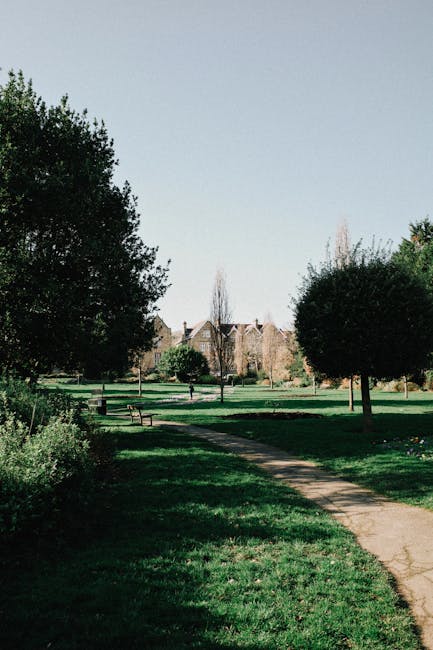
Gardeners Stroud Green Guide to Stroud Green Road Front Gardens
If you live on or near Stroud Green Road, your front garden does more than "look nice". It sets the tone for the whole property, softens the street scene, and quietly deals with real-world pressures like foot traffic, shade, salt, rain splash, and limited space. This Gardeners Stroud Green guide to Stroud Green Road front gardens is built to help you make smart, tidy, attractive choices that suit the road, the house, and the way you actually live.
Some front gardens need low-maintenance structure. Others need a proper reset. A few just need pruning, weeding, and a bit of attention, truth be told. Either way, the goal is the same: create a front garden that feels welcoming, is easy to manage, and doesn't become a weekly headache. Below, you'll find practical steps, common mistakes, and local-minded advice that works for real homes, not just glossy magazine shots.
Table of Contents
- Why Gardeners Stroud Green guide to Stroud Green Road front gardens Matters
- How Gardeners Stroud Green guide to Stroud Green Road front gardens Works
- Key Benefits and Practical Advantages
- Who This Is For and When It Makes Sense
- Step-by-Step Guidance
- Expert Tips for Better Results
- Common Mistakes to Avoid
- Tools, Resources and Recommendations
- Law, Compliance, Standards, or Best Practice
- Options, Methods, or Comparison Table
- Case Study or Real-World Example
- Practical Checklist
- Conclusion
- Frequently Asked Questions
Why Gardeners Stroud Green guide to Stroud Green Road front gardens Matters
Front gardens on busy London roads carry a different job from back gardens. They need to look good from the street, but they also have to survive being close to pavements, road dust, delivery traffic, cyclists, dogs, and the occasional heavy pruning that happens after a long winter. On Stroud Green Road, that mix can be pretty unforgiving.
A well-planned front garden gives a house instant character. It can make a narrow terrace feel more open, a Victorian frontage feel more elegant, and a modern property feel less hard-edged. More importantly, it creates a sense of order. People notice that. Neighbours notice it, passers-by notice it, and, let's face it, you notice it every time you come home.
This matters because front gardens tend to fail for predictable reasons: they are either overplanted and hard to maintain, or too bare and therefore a little bleak. The sweet spot is somewhere in between. That means clear structure, resilient planting, manageable access, and a design that suits the house rather than fighting it.
There's also the simple practical side. A front garden that is tidy and easy to maintain can reduce weeding, keep sightlines clear, and make it simpler to manage bin access, deliveries, and daily comings and goings. That sounds mundane, but mundane is often what makes a garden truly successful.
How Gardeners Stroud Green guide to Stroud Green Road front gardens Works
Think of a front garden project as a sequence, not a single job. First you understand the space. Then you decide what needs to stay, what needs to go, and what the garden should be doing for you. A good gardener will usually start with structure before planting, because structure is what keeps a front garden looking intentional all year.
On a street like Stroud Green Road, the best results often come from a layered approach:
- Assess the site - size, aspect, shade, drainage, access, and how exposed it feels.
- Clear and simplify - remove clutter, self-seeded weeds, dying shrubs, and awkward edges.
- Build structure - define borders, paths, steps, low walls, gates, or hedge lines.
- Choose planting for the conditions - not just what looks nice in a pot at the garden centre.
- Plan maintenance - because a front garden that requires heroic effort every weekend usually loses the battle by autumn.
There's a rhythm to it. First make the space easier to read, then make it easier to maintain, and only then fine-tune the style. That order matters. It avoids the classic mistake of stuffing in plants before the layout is sorted, which nearly always ends in regret and a lot of spade work.
If the project is bigger, the work may be split into stages. For example, a gardener may begin with garden clearance and pruning, then move into planting and edging, and finish with fencing, small hard landscaping, or a refreshed lawn. Services such as garden maintenance, landscaping, and fencing often come into play when a front garden needs both beauty and durability.
Key Benefits and Practical Advantages
A good front garden delivers more than curb appeal, though that is obviously part of the story. The strongest designs reduce work, improve resilience, and make the whole frontage feel settled rather than fussy.
- Better street presence - neat lines, healthy plants, and balanced proportions give a house a cared-for look.
- Lower weekly effort - the right planting choices can cut down watering, deadheading, and weeding.
- More usable access - clear routes to the door, bins, and meter points make everyday life simpler.
- More privacy without heaviness - low hedges, mixed planting, or climbers can soften views without turning the front into a fortress.
- Year-round interest - evergreen structure keeps the space looking alive even in January.
- Better drainage and soil health - sensible planting and mulching help the garden cope with rain and compacted soil.
One thing people often underestimate: a front garden can change how the whole street feels. A row of well-kept fronts creates a quiet ripple effect. It's small, but it matters. And if you enjoy gardening, it's genuinely satisfying to come back from a wet Tuesday in February and still see shape, texture, and a little life at the front door.
For some homeowners, a front garden also becomes the place to test low-maintenance planting ideas before carrying them into the back garden. If that sounds like you, the guidance in budget-friendly low-maintenance ideas can be a useful companion read.
Who This Is For and When It Makes Sense
This guide is useful if you fall into any of the following groups:
- Homeowners who want a tidier, more attractive frontage without constant upkeep.
- Landlords preparing a property for viewings or long-term presentation.
- People who have inherited an overgrown front garden and don't know where to start.
- Families who need a practical front space that can handle daily use.
- Anyone with poor soil, awkward shade, or a windy, exposed plot.
It also makes sense if your front garden has become a kind of awkward holding bay for weeds, broken pots, and half-finished ideas. Happens all the time. You plan to "sort it next month", and then next month turns into next year. No judgement there.
There are a few moments when professional help is especially worthwhile:
- when shrubs are too large for safe hand pruning;
- when tree roots, paving, or retaining edges need careful handling;
- when drainage or level changes are causing damage;
- when you want a complete redesign rather than a quick tidy-up.
In those cases, it can be helpful to speak with a local team through the gardening services page or request a tailored estimate via pricing and quotes.
Step-by-Step Guidance
Here's a practical way to approach a front garden on Stroud Green Road without getting overwhelmed.
1. Start with a proper reset
Walk the space and look at what is actually happening, not what you hope is happening. Is the border full of self-seeders? Are the shrubs blocking windows? Is the path narrow because plants have crept over it? Once you see the true shape of the problem, decisions become much easier.
Clear away debris, dead annuals, broken edging, and weeds. If the area is heavily overgrown, a full garden reset may be the smartest first move, and the article on where to start the makeover is helpful for that first stage.
2. Keep the layout simple
Front gardens usually work best with clean geometry. Straight paths, gently curved borders, or a simple central feature tend to age better than overly busy designs. Think clarity, not clutter.
If your frontage is very small, a single restrained planting theme can look far better than five competing ideas. A compact scheme with evergreen structure, seasonal flowers, and one or two standout shrubs is often enough.
3. Match plants to conditions
This is where many front gardens go wrong. A sunny plant in a shady border becomes sulky. A moisture-loving plant in a dry, exposed bed becomes brittle. The site has the final say, not the label.
For shaded spots, climbers and layered planting can add depth, while in brighter areas you can use tougher perennials, lavender-like structure, or mixed low hedging. If you want more ideas for difficult light, see shade-friendly climber ideas.
4. Build a maintenance rhythm
A front garden should be designed for real life. If you know you only have ten minutes on a weekday and an hour at the weekend, the design should reflect that. Choose surfaces that are easy to sweep, borders that are easy to edge, and plants that do not collapse into chaos after one rainy week.
Use lawn care and lawn mowing support if turf forms part of the front garden, because front lawns tend to show every patch and every uneven cut. They are a bit unforgiving, frankly.
5. Finish with detail
Little things change the feel of the whole frontage: crisp edging, a mulch top-up, a repaired gate, a clean path, or a low hedge cut to a consistent line. If you have shrubs or boundary hedges, careful shaping can make a huge difference. For more on that side of the work, have a look at hedge trimming and the blog on creative hedge shapes and styles.
Expert Tips for Better Results
Small front gardens often need restraint more than ambition. That may sound odd, but it's true. A few well-chosen decisions will usually beat a packed border full of hopeful plants.
- Use evergreen structure first. It gives the garden shape in winter and prevents the space from looking empty.
- Repeat plant groups. Repetition feels calm. Randomness feels messy, even when the plants are good.
- Mulch after clearing. It helps with weed suppression, moisture retention, and a cleaner finish.
- Keep sightlines open near entrances. This is useful for safety, light, and general ease of use.
- Choose plants you can actually maintain. If a plant needs constant attention and you don't want that, don't invite it in.
- Plan for winter as well as summer. Front gardens show every cold snap, so structure matters.
In exposed places, wind can strip moisture from leaves and make soft planting look ragged fast. A sheltered design using hedging, screens, or layered planting can help. The article on creating a wind-buffered oasis has some useful ideas for that problem.
Another tip: use containers sparingly but strategically. One or two well-placed pots can soften a hard step or frame the door, but too many and you'll be dodging them with shopping bags every evening. Not ideal.
Common Mistakes to Avoid
Most front garden problems come from a few avoidable habits.
- Overplanting. New plants need space to grow. Crowding them just creates future work.
- Ignoring access. A beautiful border is useless if you cannot comfortably reach the front door.
- Choosing high-maintenance species without a plan. They look lovely for six weeks and then demand a second job.
- Letting hedges run too high. They can block light and make the house feel boxed in.
- Using the wrong surface balance. Too much hard paving can look stark; too much planting can feel messy.
- Forgetting seasonal maintenance. Winter cutback, spring feeding, and summer weeding all matter.
One particularly common issue is the "nice but impractical" front garden: lovely flowers, awkward path, poor drainage, and nowhere to stand when unlocking the door. Beautiful, yes. Usable, not really. The best front gardens do both jobs.
If weeds are a regular battle, a focused plan helps a lot. This guide pairs well with three efficient weed-control strategies, especially for small beds where weeds can take over quickly.
Tools, Resources and Recommendations
You do not need a van full of kit to keep a front garden in shape. But a few well-chosen tools make everything cleaner and safer.
- Secateurs for light pruning and deadheading.
- Shears or hedge trimmers for shaping boundary hedges and softening edges.
- Spade and border fork for lifting weeds, dividing plants, and improving soil structure.
- Weed puller or hoe for regular maintenance.
- Wheelbarrow or garden trug for moving clippings and debris.
- Protective gloves because rose thorns and hidden rubble are never as charming as they sound.
For a broader understanding of kit and technique, the article on essential equipment for garden lovers is worth a look. If the project becomes more design-led, materials and layout discussions naturally sit alongside landscaping and small-scale hardscape work.
For front gardens that need privacy, a neat hedge or fence line can be more elegant than a tall screen. And if you need help balancing security with appearance, the local team's fencing service can be part of the solution.
In our experience, the best results come when the equipment is matched to the job, not the other way round. Fancy tools are nice. Reliable tools are better.
Law, Compliance, Standards, or Best Practice
For most front garden work, there is no complicated legal maze, but there are still a few sensible standards to keep in mind. A good gardener works neatly, safely, and with respect for the property boundary, the pavement, and neighbouring homes.
Here are the main best-practice points to consider:
- Keep access routes clear. Front entrances and paths should remain usable and safe.
- Manage overhanging growth. Shrubs and hedges should not block visibility or spill into shared spaces.
- Dispose of green waste properly. Do not leave bags, cuttings, or rubble where they become a nuisance.
- Handle tree work carefully. Larger trees or root disturbance should be assessed properly before cutting or digging.
- Work safely around services and structures. Old paving, low walls, and hidden pipework can be more fragile than they look.
If a project involves heavier tools, elevated work, or anything with added risk, it is sensible to use a team that takes safety seriously. The company's insurance and safety information, together with the health and safety policy, are useful trust signals when you are choosing who to work with.
For straightforward customer reassurance, it also helps to understand how payments, terms, and complaints are handled. That's not glamorous, no, but it matters if you want a smooth job from start to finish. The pages on payment and security, terms and conditions, and complaints procedure are useful reference points.
Options, Methods, or Comparison Table
If you are deciding how to improve a front garden, the most common approaches usually fall into three groups. Each has its place.
| Approach | Best for | Strengths | Trade-offs |
|---|---|---|---|
| Light tidy-up and maintenance | Gardens that are mostly sound but untidy | Fast, affordable, keeps existing features | Won't fix deeper design issues |
| Reshape and replant | Spaces with poor planting choices or tired borders | Improves structure and long-term appearance | Needs more planning and some disruption |
| Full redesign | Overgrown, damaged, or awkward front gardens | Best for major transformation and usability | Higher effort and usually a bigger budget |
There is no single "best" method. If the frontage already has decent bones, maintenance plus small improvements may be enough. If the layout is clumsy or the soil is exhausted, a deeper redesign will save you money and frustration later.
For many households, a blended approach works best. Clear and prune now, improve structure next, then introduce planting in phases. Slow is fine. Often, slow is smarter.
Case Study or Real-World Example
Here's a realistic example from the sort of front garden that turns up a lot in Stroud Green: a modest Victorian terrace with a narrow path, a tired border, one large shrub blocking light, and a patchy front lawn that had become more moss than grass.
The first week focused on clearance. The old shrub was reduced carefully, weeds were removed, the edging was reset, and the path was cleaned so the frontage actually looked like a defined space again. That alone made a surprising difference. The house felt taller, somehow. Lighter too.
Next came structure. A low boundary planting scheme was introduced using a mix of evergreen texture and a few seasonal performers, with room left for maintenance access. The front lawn was either refreshed or, in some cases, partly replaced with planting to reduce upkeep. Where privacy felt important, a neater hedge line offered screening without making the frontage feel enclosed.
The owner wanted something attractive, but not something that would become a Saturday-eating monster. So the final design aimed for simple repetition, manageable pruning, and a tidy finish. After a few months, the result was less "project" and more "part of the house". That is usually the win.
If the same kind of transformation is on your mind, starting with a practical makeover plan can make the whole thing feel much less daunting.
Practical Checklist
Use this quick checklist before or during your front garden project.
- Is the front path clear, safe, and easy to use?
- Have you removed dead growth, rubble, and self-seeded weeds?
- Does the layout suit the size of the space?
- Are the main plants suitable for the light and soil conditions?
- Have you allowed enough room for growth?
- Is there a simple maintenance routine you can realistically keep up?
- Do hedges, shrubs, or trees need trimming or reduction?
- Is there a plan for winter protection and summer watering?
- Have you considered privacy, boundaries, and street-facing presentation?
- Do you need help with heavier work, design, or ongoing upkeep?
Expert summary: The most successful front gardens on Stroud Green Road are usually the ones that combine restraint, structure, and resilience. Keep the design simple, choose plants that suit the site, and make maintenance easy enough that the space stays good after the novelty fades.
To round things off, one small but important thought: the best front gardens are not always the most dramatic. They are the ones that feel calm on a Tuesday morning, after rain, with the post on the mat and the kettle about to boil. That's the real test.
If you're ready to improve your frontage, you can explore about us to understand the team behind the work, or take the next step by getting in touch through contact.
Conclusion
Front gardens on Stroud Green Road deserve more than a quick tidy and a hopeful plant or two. They need a plan that respects the space, the street, and the way you use your home every day. Done well, a front garden can feel welcoming, practical, and quietly distinctive without becoming difficult to manage.
Whether you need regular upkeep, sharper planting choices, better boundaries, or a complete redesign, the key is to start with structure and finish with details. Keep it honest. Keep it maintainable. And don't be afraid to let simplicity do some of the work.
Get a free quote today and see how much you can save.
In the end, a well-kept front garden is a small act of care that pays you back every single day. And that, really, is worth the effort.
Frequently Asked Questions
What makes a good front garden on Stroud Green Road?
A good front garden balances looks with practicality. It should be tidy, easy to access, suited to the light and soil, and simple enough to maintain without constant effort.
How often should a front garden be maintained?
Most front gardens benefit from light weekly attention in growing season, plus occasional pruning, edging, and weeding. In winter, a monthly check is often enough for sturdier schemes.
Is a low-maintenance front garden possible without looking plain?
Yes. Repeating a small number of plant types, using evergreen structure, and keeping the layout clear can look stylish without needing much work. It's all in the spacing and finish.
What should I do with an overgrown front garden first?
Start with clearance. Remove dead material, cut back problem growth, tackle weeds, and define the edges. Once the space is readable again, it becomes much easier to plan improvements.
Do I need professional help for a small front garden?
Not always, but it can be worthwhile if you want a better layout, need safe pruning, or simply don't have the time. Small spaces can be deceptively fiddly.
What plants work best for exposed front gardens?
Tough, resilient plants with good structure usually perform best. The exact choices depend on light and soil, but it is wise to prioritise reliability over novelty.
Can hedges improve privacy at the front of a house?
Yes, provided they are kept to a sensible height and regularly trimmed. A well-managed hedge can offer privacy without making the frontage feel closed off.
How do I stop weeds coming back so quickly?
Clear them properly, improve the soil surface, use mulch, and keep on top of them before they seed. A little routine goes a long way, honestly.
What is the best way to make a front garden look bigger?
Use fewer, larger planting groups, keep the path clear, and avoid clutter. Clean lines and repeated shapes often make small spaces feel more open.
Are there safety issues with front garden work?
Yes, especially where tools, steps, uneven paving, or larger shrubs are involved. It is sensible to use proper equipment and take care around access points, boundaries, and any hidden hazards.
How do I choose between maintenance and a full redesign?
If the garden already has good structure, maintenance may be enough. If the layout, planting, or drainage is causing repeated problems, a redesign usually makes more sense in the long run.
Where can I learn more about the services available?
You can explore related service pages such as garden maintenance, gardening services, landscaping, and hedge trimming for a fuller picture of what may be involved.
How can I get a quote for front garden work?
The simplest route is to use the pricing and quotes page or contact the team directly through the contact page for a tailored response.