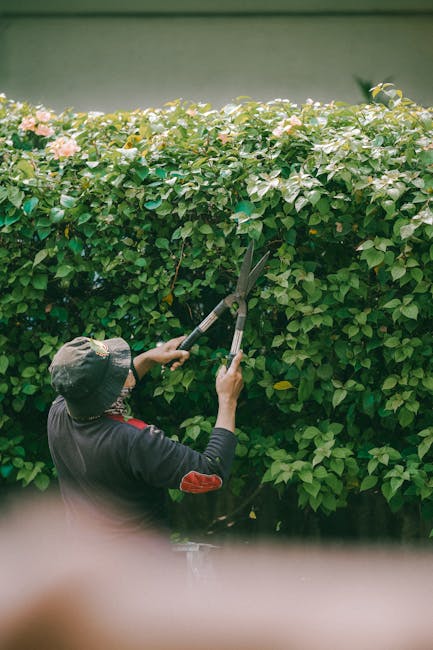
Affordable garden maintenance Stroud Green N4 real cost guide

If you are trying to figure out what garden care should really cost in Stroud Green N4, you are not alone. Prices can feel oddly vague at first: one gardener mentions a quick tidy-up, another talks about regular upkeep, and suddenly you are left wondering what is fair, what is extra, and what is just plain confusing. This Affordable garden maintenance Stroud Green N4 real cost guide breaks everything down in plain English so you can budget properly, compare quotes with confidence, and avoid paying for work you do not actually need.
Whether your garden is a small paved yard, a family space with a lawn, or a slightly wild patch that has had better days, the real cost depends on the jobs involved, the frequency of visits, access, waste removal, and how much time the work genuinely takes. Let's make it simple, practical, and local.
Expert summary: the cheapest quote is not always the best value. A good garden maintenance plan should be clear on what is included, how often the work happens, and where the line is drawn between routine upkeep and bigger jobs like hedge cutting, patio cleaning, or tree work.
Why Affordable garden maintenance Stroud Green N4 real cost guide Matters
Garden maintenance sounds straightforward until you start pricing it. Then you realise the same phrase can mean very different things. For one household, it might mean mowing, weeding, and a light tidy every couple of weeks. For another, it could include hedge trimming, pruning, leaf clearance, patio cleaning, and seasonal care. That is why a real cost guide matters: it helps you match the service to the garden, rather than guessing and hoping for the best.
In Stroud Green N4, gardens are often compact, layered, and a little bit specialist. Some are overlooked by neighbouring trees; others have awkward access through side gates, shared paths, or narrow terraces. Those details affect labour time, which affects price. A small garden can still be fiddly. Truth be told, a tiny space with dense planting can take longer than a bigger one that is neatly maintained.
This guide matters for another reason too: garden neglect compounds. A month of missed weeding becomes two months of root spread. A hedge that is left too long becomes a more time-consuming job next visit. A lawn that is not cut regularly may need extra attention, scarifying, or edging before it looks right again. Budgeting for maintenance early is usually cheaper than waiting for a full rescue.
If you want to understand how maintenance work fits into a wider garden plan, pages like garden maintenance and lawn care are useful starting points for seeing the kind of tasks that typically shape a quote.
How Affordable garden maintenance Stroud Green N4 real cost guide Works
Most gardeners price maintenance in one of three ways: by the hour, by the visit, or by a recurring plan. Which one is best depends on the garden and your expectations. If you only need a one-off tidy, an hourly or day-rate style quote may be simplest. If you want predictable upkeep, a scheduled plan is usually easier to manage.
The real cost usually reflects a blend of these factors:
- Garden size: larger areas take longer, but so do tight, busy layouts.
- Task type: mowing is typically quicker than pruning, hedge shaping, or heavy clearance.
- Condition of the garden: a maintained garden costs less than a neglected one. No surprise there.
- Access: hard-to-reach gardens, steep steps, or restricted parking can add time.
- Waste removal: green waste disposal can be included or charged separately.
- Season: spring and autumn often need more labour for growth spurts and leaf fall.
- Frequency: regular visits usually reduce the per-visit cost because the work is easier to keep on top of.
A sensible quote should state what is included. For example, mowing plus edging plus basic litter pick-up is not the same as mowing plus hedge trim plus border weeding plus disposal. One line in the quote can hide a lot of work, so ask nicely and ask clearly. It saves awkwardness later.
It also helps to separate routine maintenance from occasional specialist tasks. A reliable maintenance plan might cover lawn mowing, light weeding, deadheading, and tidying. Bigger services such as hedge trimming, patio cleaning, or tree surgery are usually quoted separately because they need different tools, time, and in some cases extra care around access and safety.
Key Benefits and Practical Advantages
Affordable garden maintenance is not just about spending less. It is about spending well. A garden that gets modest, regular attention tends to look better for longer and usually needs fewer expensive catch-up jobs. That sounds obvious, but it is one of those things people only fully appreciate after the first big seasonal rescue.
- Predictable spending: regular maintenance helps you avoid surprise bills from a neglected garden.
- Better garden health: lawns, borders, hedges, and shrubs stay in better shape with consistent care.
- Cleaner appearance: a tidy garden gives a much more inviting feel from the moment you step outside.
- Less physical strain: ideal if you do not want to spend your weekend wrestling brambles and bins.
- More usable space: an organised garden becomes somewhere you actually want to sit, cook, play, or read.
- Improved property presentation: useful if you rent out, plan to sell, or simply want the place looking cared for.
There is also a practical rhythm to it. You begin to notice small problems earlier: a patch of moss, a hedge starting to lean, drains getting blocked by leaves, or weeds coming through edging. Catching those issues early is nearly always cheaper than ignoring them. Gardening is a bit like housekeeping in that way. Small, consistent effort beats heroic weekend sprints.
If you are trying to keep things efficient and low-fuss, the article on budget-friendly low-maintenance ideas can help you think about the garden design side as well as the upkeep side.
Who This Is For and When It Makes Sense
This kind of maintenance guide is useful for more people than you might think. It is not only for busy homeowners. In fact, some of the best uses are the least glamorous ones.
- Busy professionals: you want the garden presentable without spending every Saturday outside with shears.
- Families: safe, tidy spaces matter when children, toys, and muddy shoes are part of daily life.
- Landlords and letting agents: regular upkeep protects kerb appeal and reduces reactive work between tenancies.
- Older residents: a maintenance visit can keep the garden manageable without physical overexertion.
- Dog owners: gardens need a different kind of care when pets are charging around and wearing paths into the lawn.
- New gardeners: getting a pro to handle the basics can be the easiest way to bring an overgrown space back under control.
It also makes sense when the garden has seasonal pressure points. For example, after a wet spell, after a windy week, or in that awkward stretch of late spring when everything suddenly starts growing at once. If the garden starts to feel like it is running away from you, that is usually the moment to get help rather than wait another month.
A useful related read here is where to start a garden makeover, especially if your maintenance need is really a reset in disguise.
Step-by-Step Guidance
If you want a fair and affordable maintenance arrangement, work through it in a sensible order. Not exciting, I know. But it works.
- List the jobs you actually need. Separate weekly or fortnightly tasks from one-off work. Mowing and weeding are different from pruning and waste clearing.
- Assess the garden honestly. Is it tidy, lightly overgrown, or seriously behind? The state of the garden has a huge impact on cost.
- Measure the practical stuff. Think about access, gate width, steps, parking, water points, and storage for tools if relevant.
- Decide on frequency. A regular visit can be better value than occasional large clean-ups. Usually. Not always, but usually.
- Ask what is included. Does the price cover sweeping, bagging waste, clipping edges, or only the main task?
- Check whether waste removal is separate. That one catches people out all the time.
- Compare like with like. A cheaper quote may exclude more than it includes.
- Start with a trial visit if needed. A first session helps you judge standards, timing, and communication before committing.
A practical tip: if you have several different jobs, ask for them to be prioritised rather than bundled vaguely. For example, mowing and weed control might matter more than shaping every shrub right away. That keeps the initial spend focused on what changes the garden fastest.
If you are deciding between maintenance and more specialist work, browsing gardening services can help you understand the broader range of support available, from basic tidy-ups to more involved garden improvements.
Expert Tips for Better Results
After years of seeing gardens in all sorts of states, the biggest money-saving advice is simple: keep the garden easier to maintain. It is not glamorous, but it works. And honestly, that is half the battle.
- Choose repeat maintenance over rescue work: light, regular visits often cost less than dramatic seasonal recoveries.
- Keep borders defined: edging stops lawns and beds bleeding into each other, which saves time later.
- Mulch wisely: good mulching reduces weeding and helps the soil hold moisture.
- Match plants to the space: over-ambitious planting can lead to expensive pruning and constant correction.
- Plan around the seasons: spring growth and autumn leaf fall are predictable; use them to shape your schedule.
- Be selective with "extras": ask whether every job needs doing every visit. Sometimes it does not.
In a small London garden, one of the cleverest things you can do is simplify the planting. Ground cover, container planting, and well-chosen climbers can reduce the amount of open soil and awkward corners that attract weeds. For ideas on that front, ground covers for UK gardens is a useful companion read.
Another little gem: a maintenance plan becomes cheaper when the garden has fewer "surprises". Hidden rubbish, bramble thickets, broken pots, and clutter all slow the work. If you want value, clear access before the visit. It sounds basic because it is basic. But it matters.
Common Mistakes to Avoid
People usually do not overspend because they are careless; they overspend because the quote sounded neat and easy. That is a different thing. Here are the mistakes I see most often.
- Choosing only on headline price: the cheapest number can become expensive if it excludes waste removal or takes longer than expected.
- Not defining the scope: "garden tidy" can mean anything. Always clarify tasks.
- Ignoring frequency: once-a-season care can cost more overall than smaller, regular visits.
- Leaving the garden until it is overgrown: the first visit becomes a clearance job, not maintenance.
- Forgetting access issues: narrow side passages, locked gates, or limited parking can affect labour time.
- Assuming every gardener prices the same way: they do not. No two quotes are identical, and that is normal.
Another common slip is mixing up cosmetic work with safety or structural work. A hedge trim is maintenance; large limb removal is not. A quick tidy of a patio is one thing; lifting slabs or repairing a dangerous surface is another. If your space has rough edges or slippery areas, it may be worth checking broader services like health and safety policy and insurance and safety information before booking bigger jobs.
And yes, sometimes the garden looks worse before it looks better. That is normal. Slightly annoying, but normal.
Tools, Resources and Recommendations
You do not need a shed full of professional kit to keep a garden affordable, but the right tools do make a difference. Good tools reduce labour time, improve finish, and help prevent little errors that turn into bigger problems.
Useful items often include:
- sharp secateurs for light pruning
- a reliable mower for lawns that are kept regularly
- stiff brushes and a leaf rake for seasonal clear-ups
- gloves and proper footwear, especially on damp ground
- loppers for thicker stems and awkward growth
- strong garden bags or containers for waste collection
If you are interested in the practical side of equipment, essential equipment for garden lovers is a handy read. It gives you a better feel for what good garden maintenance actually needs, without turning it into a tool catalogue marathon.
For certain properties, specific add-ons can be worth considering. If the lawn is central to the look of the space, lawn mowing and lawn care are often the best-value priorities. If paths and sitting areas have gone grim and slippery, patio cleaning can make the garden feel much fresher without a major redesign.
Law, Compliance, Standards, or Best Practice
For domestic garden maintenance in the UK, the main thing is to use sensible, safe working practices. Not every job has a complex legal side, but bigger or more hazardous work needs care. If a task involves height, power tools, substantial waste, heavy lifting, or tree work, it should be handled with proper insurance, training, and safe methods.
It is also good practice to clarify ownership and responsibility before work starts. For example, if your garden borders a neighbour's fence or shared boundary, it helps to be clear about what is being cut, what is staying, and who has agreed to what. That avoids awkward conversations later. Nobody enjoys those.
When comparing providers, look for plain evidence of professionalism: clear quotes, clear terms, sensible payment arrangements, and a visible complaints process if something goes wrong. Useful references on that front include terms and conditions, payment and security, and complaints procedure. These are boring until you need them, which is usually how important things work.
Best practice also means being honest about what maintenance can and cannot do. A regular gardener can keep a space healthy, tidy, and manageable. They are not always the right person for deep landscaping changes, major fencing repairs, or structural tree work. For bigger changes, you may want to review landscaping or fencing separately.
Options, Methods, or Comparison Table
Here is a simple way to compare the most common maintenance approaches. The goal is not to pick the fanciest option, just the one that fits the garden and the budget.
| Approach | Best for | Typical strengths | Possible drawback |
|---|---|---|---|
| One-off tidy-up | Very overgrown or neglected gardens | Fast reset, clear visible improvement | Can be more expensive than regular upkeep |
| Regular maintenance visit | Homes that want predictable upkeep | Lower long-term effort, easier budgeting | Needs commitment and scheduling |
| Seasonal visit | Gardens that only need help at key points | Flexible, good for leaf fall or spring growth | Some problems can build between visits |
| Task-based service | People with one clear problem, like hedges or lawns | Focused spend, easier to compare quotes | May not deal with broader garden upkeep |
For many Stroud Green homes, the sweet spot is a mixed approach: regular light maintenance, with occasional add-ons when something seasonal crops up. That tends to keep the garden presentable without making the budget wobble every time the weather changes. Which, let's face it, in London it often does.
Case Study or Real-World Example
Here is a realistic example based on the sort of garden people often ask about in N4. A small rear garden in Stroud Green had a modest lawn, two planted borders, a narrow side passage, and a hedge along one boundary. The owner had been doing a little here and there, but work had slipped for a few weeks after a busy period. By the time it was assessed, weeds had spread through the borders, the hedge was uneven, and the lawn had become patchy around the edges.
The smartest approach was not to treat it as one giant job. Instead, the work was split into three layers:
- Initial recovery: remove debris, tackle weeds, edge the lawn, and restore a clean baseline.
- Priority maintenance: regular mowing and light weeding on a repeating schedule.
- Occasional specialist tasks: hedge trimming and a deeper tidy when growth demanded it.
The important lesson was simple. Once the garden was brought back into shape, the upkeep became easier and cheaper to manage. The owner could see the difference straight away, too. The space felt calmer at dusk, the borders looked defined, and the whole garden stopped feeling like a chore waiting by the back door.
That kind of result is why a real cost guide matters. It helps you decide whether you need a rescue, a refresh, or just a steady hand on the tiller.
Practical Checklist
Use this checklist before you request a quote or book a visit. It keeps things tidy and helps you compare offers fairly.
- List every job you want done, not just "general maintenance"
- Decide whether you need a one-off visit or ongoing care
- Check access to the garden, parking, and waste areas
- Note any slippery surfaces, broken items, or awkward slopes
- Ask whether waste removal is included
- Ask what tools and materials are provided
- Confirm whether hedge trimming, mowing, or patio cleaning are separate charges
- Ask how often the gardener recommends repeat visits
- Make sure payment terms are clear before work starts
- Keep a short note of what good results look like for your home
If you are still working out what your garden needs, a good next step is to explore the main service overview at about us and then decide whether you need a tidy-up, a recurring plan, or a more detailed service mix.
Conclusion
The real cost of affordable garden maintenance in Stroud Green N4 comes down to clarity. Know what needs doing, how often it needs doing, and whether the quote matches the actual work. Once you strip away vague wording and guesswork, the whole thing becomes much easier to manage.
The best-value approach is usually the one that keeps the garden under control before it gets away from you. Small, consistent care almost always beats dramatic catch-up work. That is true in tiny yards, family gardens, rental spaces, and the quietly chaotic little plots tucked behind terraces all over N4.
Take your time, ask practical questions, and compare the quotes properly. A tidy garden is nice. A tidy budget is even nicer.
Get a free quote today and see how much you can save.
If you are ready to turn uncertainty into a proper plan, the simplest next step is to speak with a local team that understands Stroud Green gardens and can price the work clearly.
Frequently Asked Questions
What does garden maintenance usually include in Stroud Green N4?
It commonly includes mowing, edging, weeding, deadheading, light pruning, tidying borders, and clearing green waste. Some plans also include hedge trimming or patio cleaning, but those are often priced separately.
How can I tell if a quote is actually affordable?
Compare what is included, not just the headline figure. A quote is affordable when it covers the work you need, gives you a clear scope, and does not leave you paying extra for essentials that should have been obvious from the start.
Is a regular maintenance plan cheaper than one-off visits?
Usually, yes, because a well-kept garden takes less time to maintain. Regular visits prevent jobs from building up, which often keeps labour lower over time.
Why do small gardens sometimes cost more than expected?
Small gardens can still be fiddly. Narrow access, dense planting, awkward corners, and lots of edging can take more time than a larger but simpler space.
Should waste removal be included in the price?
Ideally, yes if you want a clear all-in figure. But some gardeners list waste removal separately, so always ask. It is one of the most common reasons quotes differ.
How often should I book maintenance for a typical London garden?
That depends on growth rate, planting style, and how much time you want to spend on it yourself. Many gardens benefit from fortnightly or monthly attention, with seasonal extras when needed.
What makes garden maintenance more expensive?
Overgrowth, poor access, heavy weeding, significant hedge work, waste clearance, and seasonal pressure all increase labour. So does leaving the garden too long between visits.
Do I need special services for lawns, hedges, or patios?
Sometimes, yes. Lawn work, hedge trimming, and patio cleaning often need different tools and time estimates. They may be handled as separate tasks within a broader maintenance plan.
What should I ask before booking a gardener?
Ask what is included, what is extra, how often the work should be done, whether waste removal is covered, and how payment works. Those five questions clear up most surprises.
Can garden maintenance help if my garden is badly overgrown?
Yes, but the first visit may be more of a clearance than routine maintenance. Once the garden is back under control, keeping it that way becomes much easier and more affordable.
Is it worth spending money on maintenance if I only use the garden occasionally?
Often, yes. Even occasional-use gardens benefit from basic upkeep because weeds, overgrowth, and debris do not wait politely for your next barbecue.
How do I keep maintenance costs down without cutting quality?
Keep the garden easier to manage, book regular rather than emergency visits, clear access before the appointment, and prioritise the tasks that matter most. Simple stuff, but effective.